

Play dough has been a staple in an early childhood setting for decades and there is a good reason why! Play dough is a great tactile resource helping you create wonderful things in Kindergarten, strengthens your hands in Junior Kindy, and lets you explore new textures in Toddler time.
As an incredibly loved resource for both children and Educators, play dough is often used for free play time and scheduled learning activities. During this blog, we will be sharing the many ways we find joy in using play dough across our Children First Early Education centres and share some insight on how you can replicate our play dough recipe and learnings in a home setting.
How to make your own home-made playdough!
What is needed:
Measuring cup
Mixing spoon
Tbsp
1/2 cup table salt
1 tbsp of oil
Mixing bowl
Food colouring
1 cup of flour
2 Tbsp cream of tartar
1 cup of water
Instructions:
- Combine flour, salt, and cream of tartar together in a bowl.
- Mix well with mixing spoon.
- Add in the oil and mix together.
- Add food colouring and water together in a separate bowl.
- Once the colour has spread in the water then add the now coloured water into the other bowl combining all ingredients together.
- Mix all ingredients together with a mixing spoon.
- Once the mixture becomes firm use hands to mix and finish blending together - this will enable it to become more of a dough texture.
- Place on the table for the children to use.
Using this recipe as your play dough base, you can get creative and add your own variations to build on the sensory elements. Try adding a few drops of essential oils to discover new smells or add herbs to further develop the sensory aspect of texture and touch.
Across our Children First Early Education centres, there are a number of ways that our Educators incorporate play dough into our educational programs.
- Colour Recognition
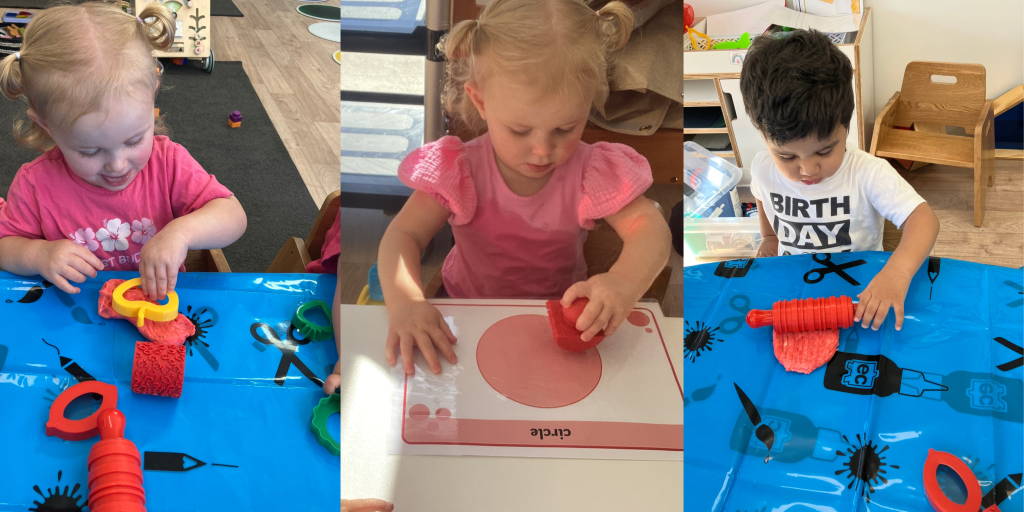
The Toddlers at Children First Mernda used play dough as a part of the journey of discovering the colour red. The children and Educators mixed up some coloured play dough and discussed what other things they could find that were also red.
2. Pretend Play
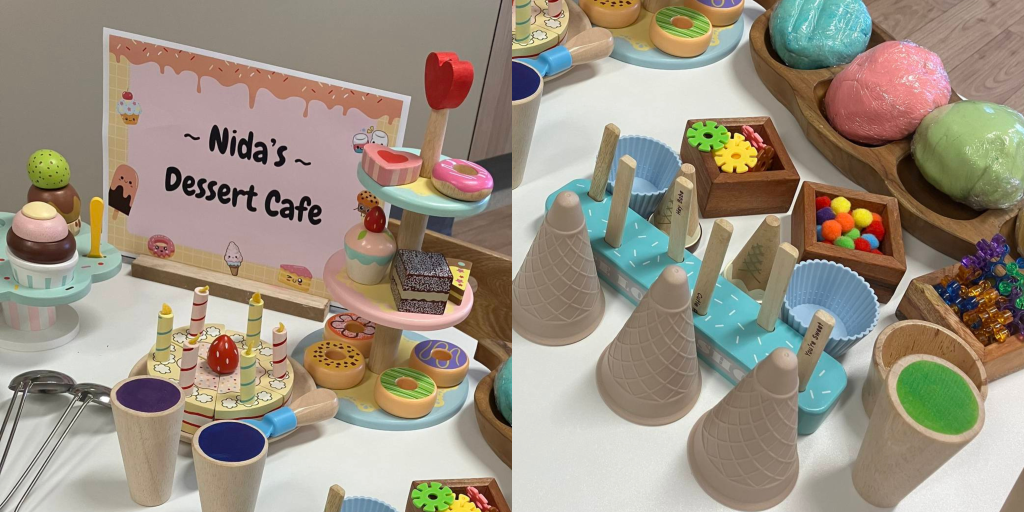
Children First Athelstone extended on their social skills while creating their own play dough versions of baked treats and ice cream.
'Playing cafe' is a great example of pretend pay. Pretend play encourages imagination and allows children to work together while simultaneously building on their social skills, emotional intelligence, and thinking skills.
3. Significant and Special Days
Our Educators often use play dough as a learning resource on significant and special days across the country.
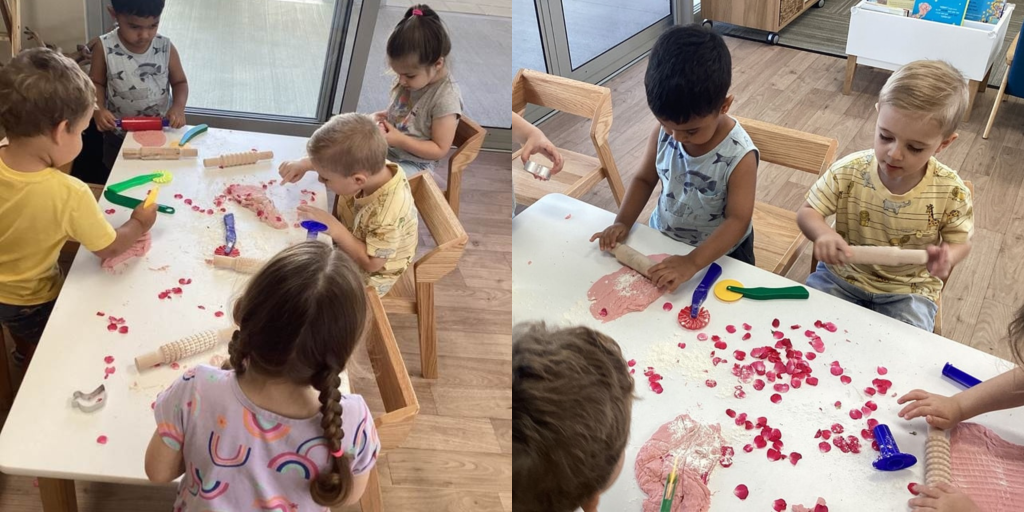
Children First Salisbury Downs used play dough and rose petals to further educate the children on the history and significance of Valentine's Day. By adding the rose petals, there was both touch and smell sensory value added.
4. Educational Programming
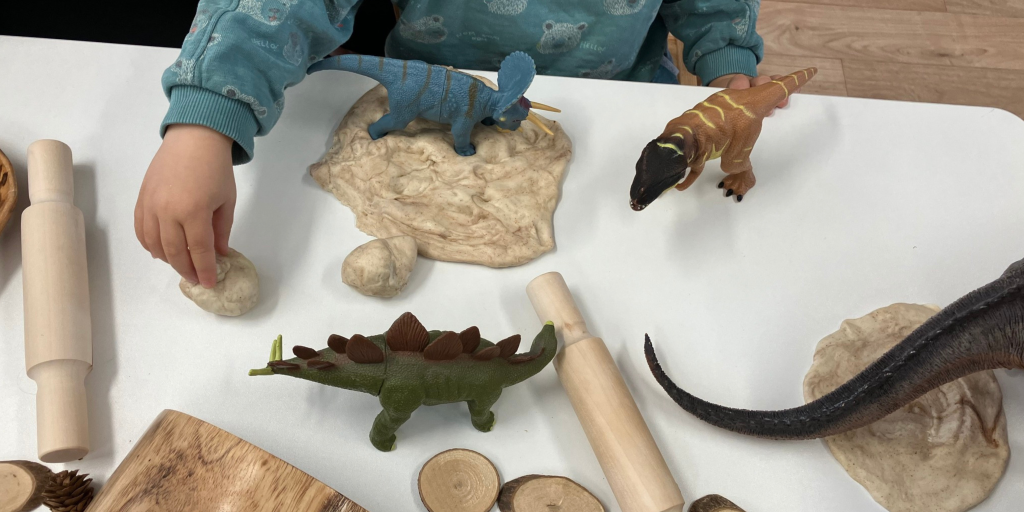
The Educators at our Children First Athelstone centre, used play dough as one of their ways to explore dinosaurs.
By using the dinosaur to march through the rolled out play dough, the children were able to learn about different dinosaur markings, fossilisation, and even crafted their own eggs. Open-ended educational play allows for the children to freely discuss with each other and their Educators, what they know about dinosaurs.
5. Sensory Play
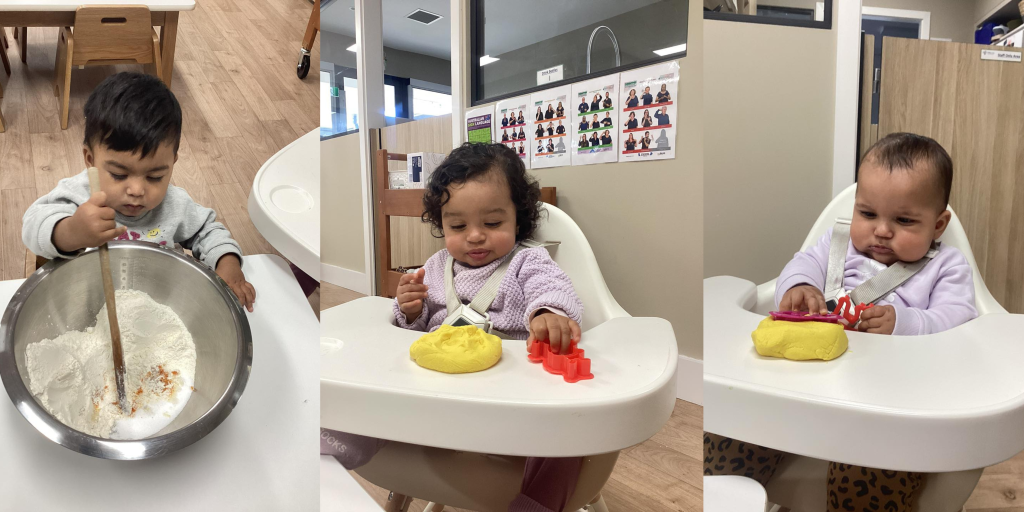
The Tiny Tots at Children First Windsor Gardens worked with their Educators to add and mix together the ingredients for own their homemade play dough.
This activity is a great way to make the children feel involved in their activities, whilst also building their gross motor skills and strength as they mix, mould, and manipulate the play dough to their own liking.
By making your own play dough, you provide a wonderful sensory experience for children and also create lasting memories through shared activities. We hope this guide inspires you to experiment with different textures and colours, and most importantly, to have fun. Stay tuned for more exciting tips and ideas to enhance your playtime adventures.
Find your own printable version of our home-made play dough here!
We would love to see your at home play dough creations, tag us in your creativity on Instagram @children_first_early_education or on Facebook @childrenfirstearlyeducation